


-
 Andy White/Courtesy of Native Lands Restoration CollaborativeFrom a field on an Illinois university campus, to rare, untouched land in Texas, here are some efforts to replant once-abundant prairie in the Midwest and Great Plains.
 -
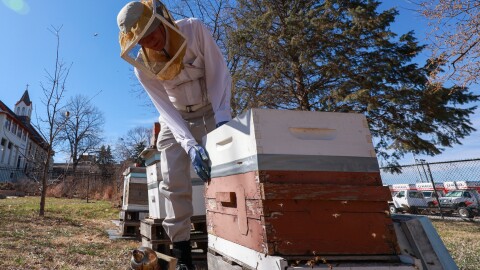 Marissa Lindemann/Harvest Public MediaWhen beekeepers saw widespread honeybee die-offs last year, researchers at the USDA Beltsville Agricultural Research Center stepped in to help. The Trump administration now plans to close the facility, sparking concern among beekeepers and scientists.


-
 Places such as Minnesota and Austin, Texas, already use green infrastructure like rain gardens to absorb stormwater and keep pollution out of streams and lakes. Now communities across the Kansas City area could get on board.
 -
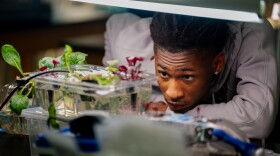 Chapters of FFA, once called Future Farmers of America, are becoming more common in city schools. Program advisors say students are learning skills that can help them work in a wide range of industries — from biotech to cosmetology.
 -
 Farm aid promised last December is still months away from being paid out to fruit and vegetable growers. But industry groups say it won't be enough to get them through tough market conditions.
 -
 As companies launch an array of protein-rich products and new federal dietary guidelines advise Americans to prioritize protein, nutrition experts have mixed feelings about the new emphasis on protein.
 -
 Since its launch in 2022, the national 988 Suicide & Crisis Lifeline has responded to nearly 13 million calls. But many states have been slow to spend their own dollars on the program.
 -
 In 2014, the U.S. Department of Agriculture created a network of “climate hubs” to understand how climate change affects agriculture and forestry and help farmers adapt to more extreme and unpredictable weather. Now, the future of these hubs is uncertain.
 -
 More people participating in the citizen science project Globe At Night could help fill gaps in what astronomers know about the extent of skyglow.
 -
 Cow cuddling, ice cream churning and farm tours are among the tactics dairy farmers are employing to compensate for low milk prices
 -
 Under the current system, producers must be the sole owner-operator of their farm or ranch to qualify for loans from the federal government. A bipartisan bill would expand the eligibility requirements for applicants.
 -
 University of Illinois researchers analyzed traces of DNA in rivers and streams to learn how strips of trees near water — called riparian buffers — impact land species.


